What is the Best Golf Cart Battery?

When it comes to selecting the right battery for your golf cart, it’s important to know that not all batteries are created equal. The type of battery you use significantly impacts your golf cart’s performance, overall efficiency, and longevity. When it comes to golf cart batteries, there are a few different types available, and each has their own strengths and weaknesses. So, what type of battery will last the longest, charge the quickest, and provide the best golf cart driving experience possible? At Bolt Energy USA, we believe that our LiFePO4 lithium golf cart batteries are the superior choice for all golf cart owners nationwide. Keep reading to learn more about the different types of golf cart batteries available and discover which battery is the best golf cart battery.

Lead-Acid Batteries

Lead-acid batteries have been a popular choice for golf carts for quite some time. They have proven to be reliable and affordable for any golf cart owner. They are also durable and can withstand a range of environmental conditions. Lead-Acid batteries are also 100% recyclable. These batteries get their power from a chemical reaction that occurs due to lead and sulfuric acid. They’re often referred to as “wet” batteries because of their water and acid mixture. One of the downsides to lead acid is the need to refill and monitor the battery. Without careful maintenance, the acid will begin to corrode. Not to mention their constant need for replacement.

Traditionally, lead-acid batteries have been the standard choice for golf carts. Their lifespan typically ranges from 3-5 years, contingent on several factors, including maintenance practices. Proper care, such as regular charging, equalization, and avoiding deep discharges, can extend their longevity. Over time, however, lead-acid batteries may lose capacity and require replacement when they no longer hold a charge or provide sufficient power.

AGM (Absorbed Glass Mat) Batteries

AGM batteries are an improvement over traditional lead-acid battery. They are sealed, maintenance-free, and provide more power in a smaller package. They have a self-contained system that eliminates the need to refill the water. They are, however, sensitive to overcharging and need to be carefully monitored to avoid issues or a dead battery. While they are a step up from lead-acid batteries, AGM batteries still fall short in terms of overall performance, lifespan, and energy efficiency when compared to lithium batteries.

Lithium LiFePO4 Batteries

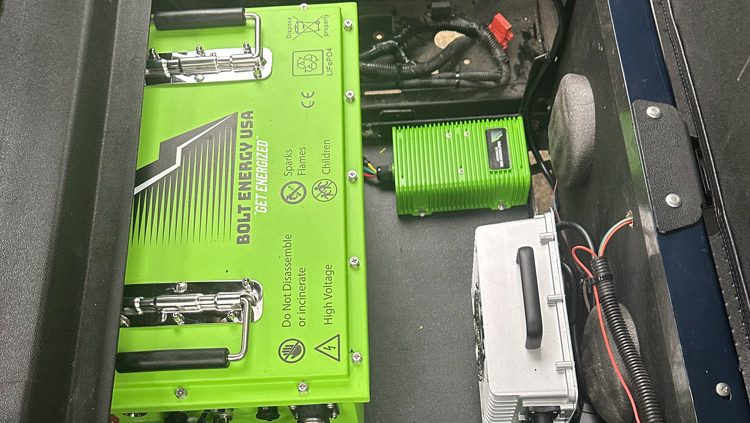
Lithium LiFePO4 batteries have become a popular battery option for golf cart owners. Invented in the mid-90s, these powerful batteries are made of lithium iron phosphate, making them more efficient than both lead-acid and AGM batteries. Lithium LiFePO4 batteries have gained popularity due to them being lightweight and compact, having a higher energy density, a longer lifespan, a lower self-discharge rate, being low maintenance, and producing minimal environmental impact. Lithium batteries last 4-6 times longer than lead acid batteries and contain a built-in battery monitoring system to protect from overcharging and any voltage issues. Lithium-ion batteries represent a more advanced option for golf carts, known for their extended lifespan compared to lead-acid counterparts. With proper care and maintenance, lithium golf cart batteries can last anywhere from 8 to 12 years or even longer. Lithium LiFePO4 batteries have also embraced modern technology by incorporating Bluetooth connectivity. This feature enables golf cart owners to monitor and manage their battery’s performance and health through a smart device. Because of its Bluetooth connectivity, you can access real time data on battery voltage, maintenance alerts, and state of charge.

Leading with Lithium- The Best Golf Cart Battery

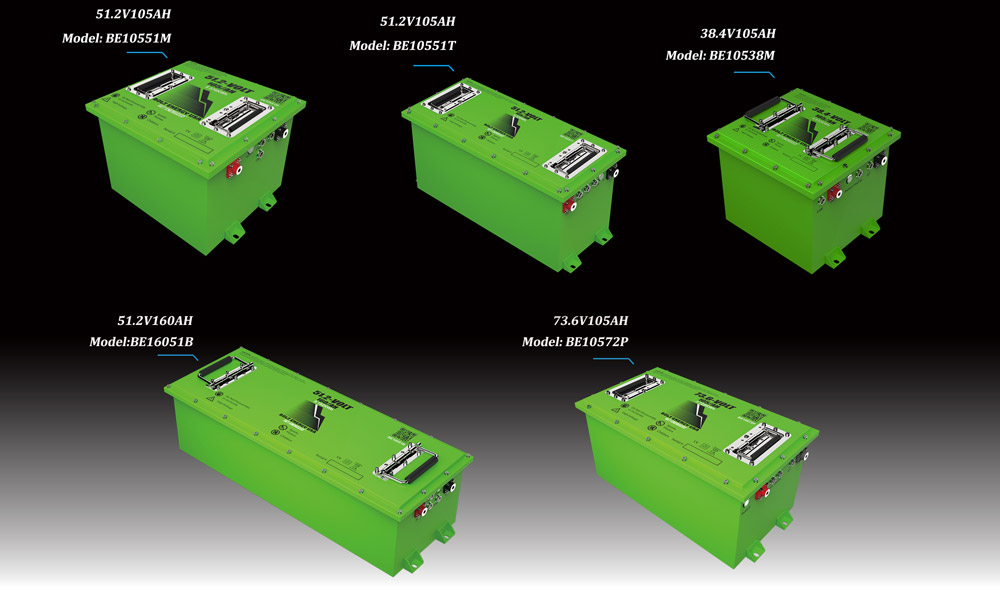
In conclusion, when it comes to choosing the best golf cart battery, lithium batteries stand out as the superior option. With Bolt Energy USA’s commitment to quality and innovation, you can trust that you’re getting the best lithium batteries for your golf cart, regardless of the make or model. Don’t compromise on the performance and longevity of your golf cart battery. Make the switch to lithium, and Bolt Energy USA has you covered. Whether you require a 105AH 38 Volt High Output Lithium Battery or a 51- or 71-Volt High Input Lithium Battery, Bolt Energy USA is here to make sure you have the power you need.

All our golf cart lithium batteries are compatible with these golf cart brands: Advanced EV, Bad Boy Buggy, Bintelli, Club Car DS, Club Car Precedent, Coleman, EZGO TXT, EZGO RXV, Elite, EPIC, Evolution, GEM Cars, ICON, Kandi, Madjax X-series, Navitas Storm, Nivel X-series, Titan, Tomberlin, Trojan EV, Vivid, Yamaha. Lead with lithium and make the best battery choice for your golf cart by contacting Bolt Energy USA today!
How Long Do Golf Cart Batteries Last?

How Long Do Golf Cart Batteries Last?

At Bolt Energy USA, we often get asked the question, “How Long Do Golf Batteries Last?” Well, the answer depends on the type of golf cart battery you are using and how well you take care of your battery. If you are using a lead-acid golf cart battery in your golf cart, its lifespan differs greatly from a lithium-ion golf cart battery. Not sure if it’s time to replace your golf cart battery? There are some signs to look out for that indicate that it is time for a golf cart battery replacement. Keep reading to learn more about how these batteries are different from each other, how long they last, and signs that it’s time to consider golf cart battery replacement.

Lead-Acid Batteries

Lead-acid batteries have been a reliable choice for powering golf carts for decades. Lead-acid golf cart batteries are known for their ability to withstand rough terrain and inclement weather. Their durability is essential in a golf course environment. Lead-acid batteries are also more affordable than other types of batteries, which is beneficial for those that require multiple batteries at once. Typically, lead-acid batteries have a lifespan of about 3 to 5 years under normal operating conditions. Proper regular maintenance can help extend their lifespan. Regular maintenance includes keeping the electrolyte levels in check, charging them properly, and cleaning the terminals.

Lithium LiFePO4 Batteries

Lithium batteries have become a popular choice among golf cart owners. Lithium batteries are renowned for their energy density and high voltage. Lithium batteries are lightweight, charge rapidly, and have low self-discharge rates. Lithium golf cart batteries typically have a longer lifespan compared to traditional lead-acid batteries. While the exact lifespan can vary depending on factors such as usage, maintenance, and the quality of the battery, lithium golf cart batteries can often last between 5 to 10 years or even more with proper care and usage. They are designed to provide a longer service life and better performance, making them a popular choice for golf carts and other electric vehicles.

Signs You Need to Replace Your Golf Cart Battery

To ensure that your golf cart runs smoothly, reliable batteries are vital. Like any other power source, golf cart batteries have a limited lifespan and knowing when it’s time to replace is important to know for any golf cart owner. Here are some key signs that indicate that it’s time to replace your golf cart battery.

1. Your Battery is Quickly Losing Power
One of the clearest signs of a failing golf cart battery is one that quickly loses power. Damaged or degraded batteries can’t provide as much power as newer ones. The result of not replacing your battery is less driving time between charges. This problem will worsen until you replace it.

2. Your Battery is Charging Slow
If your golf cart used to be fully charged within a couple of hours, but now needs 12 hours or more to fully charge, a failing battery may be the culprit. A replacement is needed.

3. Your Cart’s Acceleration Has Decreased
Have you noticed your golf cart is acting sluggishly? Batteries that are heading toward the end of their lifespan can’t provide the energy that is needed to power your golf cart at its full potential. Just like decreasing length of charge, acceleration issues also will worsen over time until you replace.

4. Battery Damage
Battery damage such as bulging, corrosion, and leakage are clear indicators of battery problems, especially in lead-acid batteries. Bulging can be a result of internal short circuits. Corrosion around the battery terminals can hinder the electrical connections. Leaks can be harmful to the battery and the environment.

5. Battery Age
Whether you have lead-acid batteries or lithium batteries, they do have a limited lifespan. Remember, lead-acid batteries have a lifespan of 3-5 years while lithium batteries tend to last longer, around 5-10 years. If your battery is approaching or has exceeded its lifespan, it’s time to consider battery replacement.

Upgrade Your Battery with Bolt Energy USA

Recognizing the signs that indicate your golf cart battery needs replacement is crucial for maintaining the performance and safety of your golf cart. When you notice any of these signs, it’s good practice to have your battery tested by a professional at Bolt Energy USA or replaced to ensure your golf cart continues to provide reliable and enjoyable transportation. When it’s time to replace your golf cart battery, consider upgrading to a high output lithium battery manufactured by Bolt Energy USA. While lithium batteries are more expensive than lead-acid batteries, the benefits outweigh the cost. Since lithium batteries have a lifespan twice as long as lead-acid batteries and are more energy efficient, the investment is well worth it.

Bolt Energy USA is a top nationwide manufacturer of lithium LiFePO4 golf cart batteries. Our lithium batteries are compatible with all top golf cart brands including, Advanced EV, Bad Boy Buggy, Bintelli, Club Car DS, Club Car Precedent, Coleman, EZGO TXT, EZGO RXV, Elite, Evolution, EPIC, GEM Cars, ICON, Kandi, Madjax X-series, Navitas Storm, Nivel X-series, Titan, Tomberlin, Trojan EV, Vivid, and Yamaha.

Where Can I Buy a Golf Cart Battery?

Your golf cart battery is the most important component that keeps your golf cart powered up and ready to be used at your convenience. When the time comes to replace your golf cart battery, the question of “Where Can I Buy a Golf Cart Battery?” comes to mind. In this blog, we will provide you with the best options for where you can buy a new golf cart battery. Whether you’re a golf enthusiast or use your golf cart for work, recreation, or on the streets, knowing where to buy and considering several factors such as compatibility, warranty, and maintenance are crucial when making your decision. At Bolt Energy USA, we believe that an informed customer is a satisfied customer, and we are dedicated to ensuring that our customers have the knowledge they need to select the best golf cart battery.

Auto Parts Stores

Many auto parts stores, such as AutoZone and O’Reilly Auto Parts, offer a selection of batteries, including those suitable for golf carts. You might find a wide variety of options at an auto parts store. Just remember to consider compatibility and battery specifications first before making a golf cart battery purchase to ensure you are selecting the right battery compatible with your make and model.

Online Retailers

There is a huge selection to choose from when shopping online for a new golf cart battery. Websites like eBay and Amazon stock a wide array of batteries. While this is a convenient way to browse, compare prices, and purchase from the comfort of your home, this option might not be suitable for everyone. When purchasing your new golf cart battery online, it is very beneficial to speak to a sales professional to guide you in the right direction and ensuring that you are getting a golf cart battery that is compatible with your golf cart’s make and model and one that fits both your needs and budget.

Specialty Battery Retailers

To ensure you are getting the right battery for your golf cart that is compatible and fits your specific needs and budget, consider visiting a specialty battery retailer. Batteries are what they do, and they can steer you in the right direction. Specialty battery retailers provide both expert advice and an extensive battery selection. These stores often carry a wide range of battery types and can provide accurate guidance on choosing the best golf cart battery for your needs.

Buying Your Golf Cart Battery from Bolt Energy USA

At Bolt Energy USA, we are a golf cart battery manufacturer in Florida. We manufacture high output lithium batteries that are compatible with over 20 different golf cart brands. Whether you have a Club Car DS, an ICON, or a Titan or Yamaha golf cart, we have the right lithium battery for your golf cart. Our LiFePO4 lithium batteries can be purchased online through our company website or through our approved dealers. No matter where you are in the United States, Bolt Energy USA’s high output lithium batteries are available for purchase nationwide. Not only can our batteries be purchased conveniently, but when you purchase our lithium batteries, you are protected by a 10-year warranty. Need guidance in selecting the correct battery for your golf cart? You can contact Bolt Energy USA anytime by calling, (727) 955-4955 or visit one of our nationwide approved dealers to ensure you are purchasing the correct battery for your specific golf cart brand. Our approved dealers include but aren’t limited to, Eco Golf Carts in Ponte Vedra Beach, Florida, Golfin’ Garage in Jasper, Georgia, Bharlie’s in Spring, Texas, Crusin Carts in Largo, Florida, and Palmetto Battery Pros in North Charleston, South Carolina. For a full list of approved dealers that carry our Bolt Energy USA lithium batteries, visit here to find one near you: Certified Bolt Energy USA Dealers

All our golf cart lithium batteries are compatible with these golf cart brands: Advanced EV, Bad Boy Buggy, Bintelli, Club Car DS, Club Car Precedent, Coleman, EZGO TXT, EZGO RXV, Elite, EPIC, Evolution, GEM Cars, ICON, Kandi, Madjax X-series, Navitas Storm, Nivel X-series, Titan, Tomberlin, Trojan EV, Vivid, Yamaha.

How to Calculate Golf Cart Battery Capacity?

Battery capacity is typically measured in ampere-hours (Ah) and represents the amount of electric charge a battery can deliver over a specified period. The ampere-hour rating is a measure of the battery’s energy storage capacity. Here’s how battery capacity and amp-hour rating are calculated:

**Battery Capacity (Ah) = Current (A) × Time (h)**

In other words, the ampere-hour rating of a battery is calculated by multiplying the current (in amperes) that the battery can deliver by the time (in hours) it can sustain that current.

For example, if a battery can deliver a constant current of 10 amperes for 5 hours, its capacity would be calculated as:

**Battery Capacity = 10 A × 5 h = 50 Ah**

It’s important to note that the actual usable capacity of a battery can vary based on factors such as discharge rate, temperature, and age. In practice, battery manufacturers often provide different ampere-hour ratings for batteries based on specific discharge conditions. For example, a battery might have a higher capacity at lower discharge rates and a lower capacity at higher discharge rates.

When comparing battery capacities, it’s also important to consider the nominal voltage of the battery. For example, a 12-volt battery with a capacity of 100 Ah will store more energy than a 6-volt battery with the same capacity.

Keep in mind that the ampere-hour rating provides information about the battery’s energy storage capacity but doesn’t necessarily indicate its performance or how quickly it can deliver power. High current demands or rapid discharge rates can affect a battery’s effective capacity, as some batteries might not deliver their full capacity when discharged quickly.

Additionally, the capacity of rechargeable batteries (such as lithium-ion or lead-acid batteries) may degrade over time due to cycling and aging, which can impact their ampere-hour rating.

Lithium Knowledge

Golf carts commonly use lithium batteries due to their higher energy density, longer lifespan, and lighter weight compared to traditional lead-acid batteries. Lithium batteries offer improved performance, faster charging times, and greater efficiency, making them a popular choice for electric vehicles like golf carts. They also tend to require less maintenance and have a longer overall lifespan, making them a cost-effective option in the long run.

LiFePO4, or lithium iron phosphate, is another type of rechargeable lithium battery commonly used for various applications due to its unique properties and safety features. LiFePO4 batteries offer a balance between performance, safety, and lifespan, making them a popular choice for certain industries and devices.

LiFePO4 batteries are commonly used in applications where safety, long cycle life, and stability are important factors. Some examples include solar energy storage systems, electric vehicles, medical devices, and certain industrial applications.

As with any battery technology, it’s important to follow manufacturer guidelines for charging, discharging, and storage to ensure the best performance and safety.

Key characteristics of LiFePO4 batteries

LiFePO4 batteries are known for their enhanced safety compared to other lithium-ion battery chemistries. They are more stable and less prone to thermal runaway, making them less likely to catch fire or explode.

LiFePO4 batteries typically have a longer cycle life compared to other lithium-ion chemistries. They can withstand a larger number of charge and discharge cycles before significant capacity degradation occurs.

LiFePO4 batteries have a stable voltage platform, which means that their voltage remains relatively constant during discharge. This can be advantageous for devices that require consistent power delivery.

One trade-off with LiFePO4 batteries is that they have a lower energy density compared to other lithium-ion chemistries like LiPo. This means they may have a slightly lower capacity for the same physical size.

LiFePO4 batteries have a slower self-discharge rate, which means they can hold their charge for longer periods when not in use.

LiFePO4 batteries can operate effectively across a wide range of temperatures, making them suitable for applications in both hot and cold environments.

LiFePO4 batteries are considered more environmentally friendly due to their non-toxic and non-hazardous nature.